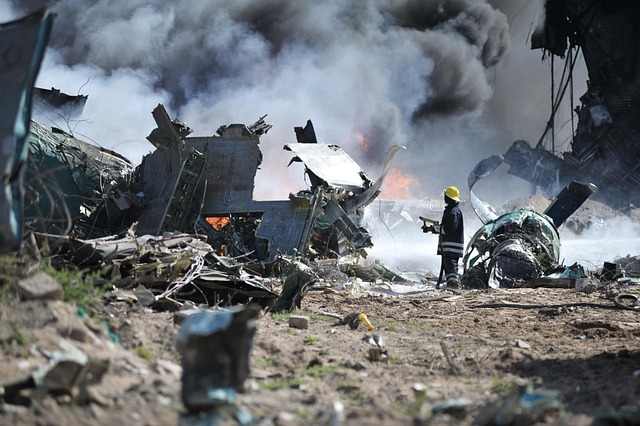
Rideshare Safety Litigation in densely populated The Bronx focuses on construction site negligence, aiming to hold companies accountable for passenger safety. Cases like a rideshare driver colliding with a worker due to poor construction site management highlight the need for better coordination and risk mitigation strategies. Preventive measures include strict protocols, vehicle maintenance, background checks, technology monitoring, and legal protections like strict liability laws to address construction site negligence and enhance safety for all road users in The Bronx.
Rideshare services have transformed urban mobility, but safety remains a paramount concern. This article delves into the critical issue of rideshare safety litigation, focusing on construction site negligence in The Bronx as a case study. We explore real-world scenarios highlighting risks and implications, while offering a comprehensive overview of preventive measures and legal protections aimed at safeguarding passengers. Understanding these dynamics is essential for fostering safer rideshare environments.
- Understanding Rideshare Safety Litigation: A Comprehensive Overview
- Construction Site Negligence in The Bronx: Case Studies and Implications
- Preventive Measures and Legal Protections for Safeguarding Passengers
Understanding Rideshare Safety Litigation: A Comprehensive Overview
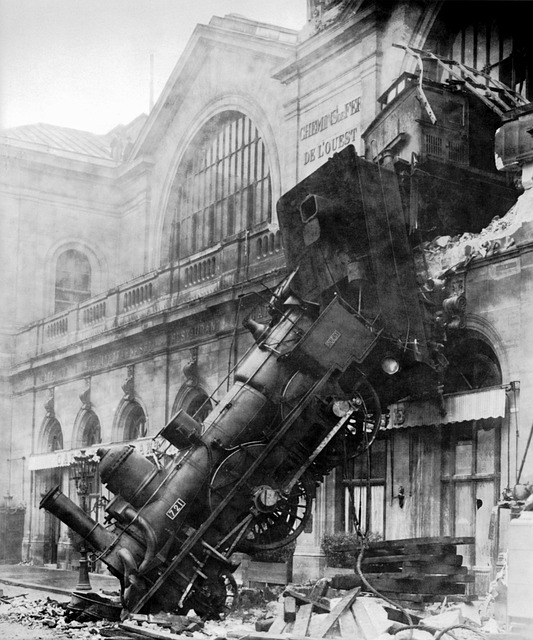
Rideshare Safety Litigation is a critical area of legal focus, especially in densely populated urban centers like The Bronx, where construction site negligence can pose unique risks to passengers. These lawsuits aim to hold rideshare companies accountable for ensuring passenger safety during every trip. This includes addressing issues such as driver background checks, vehicle maintenance, and emergency response protocols, particularly at high-risk locations like construction sites.
In The Bronx, with its vibrant but bustling streets and ongoing construction projects, the potential for accidents involving rideshares is ever-present. Litigation in this domain seeks to establish standards and regulations that protect riders from negligence, ensuring their safety while using these services. By scrutinizing cases of construction site accidents, legal experts can identify gaps in current safety measures and propose improvements to safeguard passengers.
Construction Site Negligence in The Bronx: Case Studies and Implications
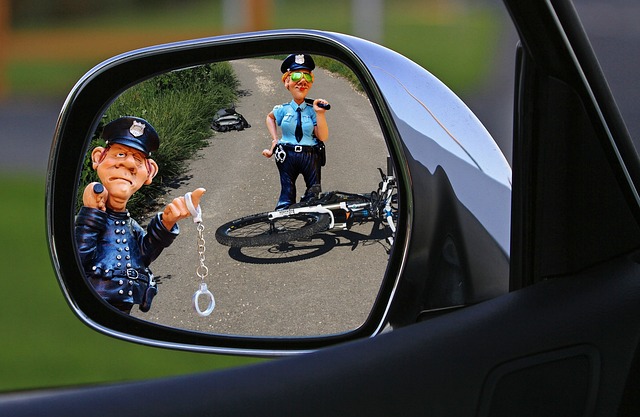
In The Bronx, construction site negligence has emerged as a significant concern in rideshare safety litigation. Case studies reveal that mishandling of construction zones by contractors and developers can lead to severe accidents involving rideshare vehicles. For instance, a recent case involved a rideshare driver who collided with a worker on a busy city street due to inadequate warning signs and poorly managed traffic flow at an ongoing construction site. This incident underscored the need for better coordination between construction teams and local authorities to ensure safe passage for all road users.
The implications of such incidents are far-reaching. They not only highlight the vulnerability of rideshare drivers and passengers but also emphasize the responsibility of construction companies to maintain safe working environments. Effective risk management strategies, including enhanced lighting, clear traffic signals, and robust safety protocols, can significantly reduce accidents at construction sites in The Bronx. Moreover, regular inspections by regulatory bodies can ensure compliance with safety standards, thereby fostering a culture of accountability in the industry.
Preventive Measures and Legal Protections for Safeguarding Passengers

In ensuring rideshare safety, several preventive measures and legal protections are in place to safeguard passengers. One key aspect is the strict adherence to safety protocols by both drivers and companies. This includes regular vehicle maintenance checks to prevent Construction Site Negligence in The Bronx, where accidents often occur due to poorly maintained vehicles.
Additionally, background checks for drivers, continuous monitoring through technology, and the integration of safety features like seatbelts and airbags are vital. Legal protections further reinforce these measures, with strict liability laws holding rideshare companies accountable for any negligence that leads to passenger harm. These protections not only encourage adherence to safety standards but also provide a legal framework for resolving disputes related to accidents or injuries suffered during the ride-sharing experience.
Rideshare safety litigation, particularly focusing on construction site negligence in The Bronx, highlights the complex interplay between technology, mobility, and public safety. As ridesharing continues to shape urban landscapes, understanding legal protections and preventive measures is paramount for safeguarding passengers. By examining case studies and implementing robust safety protocols, rideshare companies can ensure a secure and reliable experience for all users, ultimately fostering trust in this evolving industry. In the wake of these discussions, it’s clear that addressing construction site negligence remains crucial for ensuring the well-being of both riders and workers across The Bronx and beyond.